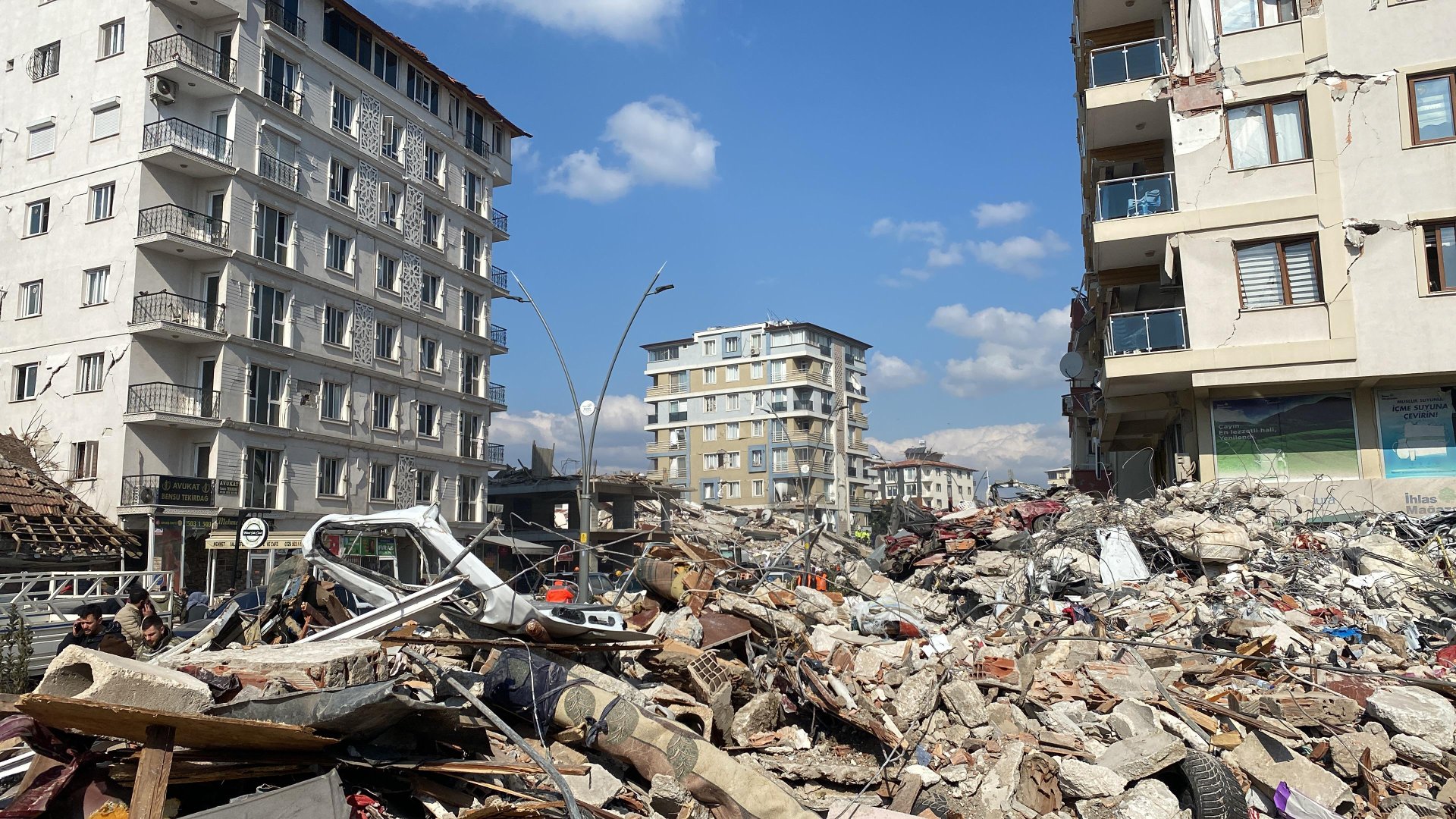
Earthquakes are one of nature's most powerful and destructive events. Unfortunately, mistakes made at the time of an earthquake can often beloss or serious injury. Some misunderstood facts about earthquakes put people's safety at riskin this article, we will examine 10 misinformation that is known to be correct in an earthquake and why each of them is wrong.we will explain.
1. “It's Safe to Stand Under the Door Threshold”
Many people use the door during an earthquakethinks it's safe to go under the threshold. However, doors are often structurally weak and carry a lot ofduring earthquakes, the door thresholds may be dislodged or the surrounding walls may collapse. Safest place, intactis an area located under a table or next to thick furniture. Such structures can make you more effectivecan protect.
2. "Earthquake Occurs Only on Fault Line"
Many people feel the earthquake only on the fault lineas a catastrophe to be experienced. However, earthquakes occur in many different parts of the world, especially in areas with weakcan also occur around small faults in buildings. In other words, being far from the fault line does not protect you against earthquakes.large earthquakes have also occurred in many areas other than the fault line.
3. "Electricity in EarthquakeCutting Is Not Always Necessary "
It is common to think that electricity should be cut off immediately after an earthquake, but thistime is not correct. Cutting the power may in some cases interfere with rescue and first aid work. Most of the time, electricityinstead of cutting the lines, it would make more sense not to use electrical devices and to isolate unsafe areas.The safest way to act after an earthquake is to follow the instructions of local governments and disaster response teamswill be.
4. “Getting Out of Buildings During an Earthquake is a Better Option”
Many people have been affected by earthquakesthinks that it is necessary to leave the building immediately. However, trying to get out of a building is sometimes much morecan create a great danger. If the building is intact and there is a way out, it may be safer to stay inside.decision to exit should be made according to the structural safety of the building and the conditions outside. Collapse outside the building after the earthquakerisk should also be considered.
5. “Understanding the Earthquake Before It StartsPossible"
Many people say that they expect some warning signs or natural disasters before the earthquake startsearthquakes, on the other hand, usually start suddenly and distinctly. Before earthquakes, some smallalthough there are tremors (precursor tremors), it is unpredictable when a major earthquake will occur. Therefore,constant preparation and vigilance is the right approach.
6. "Going Out Immediately After the EarthquakeRequired"
It is also wrong to think that it is safe to go out immediately when the earthquake stops.buildings can be severely structurally damaged, and going outside can result in injury from falling glass or debris.secondary disasters such as cuts in power lines, explosions in water pipes may occur. Determine if buildings are safeis the safest method to follow the instructions given by local governments and experts.
7. "In the elevatorI Can Survive the Earthquake Safely "
Many people believe that it is safe to use an elevator during an earthquakehowever, elevators are very dangerous to earthquakes. When the power is cut, inside the elevatoralso, elevators are one of the weakest parts of buildings and can collapse at high speed during an earthquake.During an earthquake, it is always safer to use the stairs.
8. "Earthquake Bag Only Large EarthquakesIntended "
Earthquake bag, not only for large earthquakes, but also for any sizeit can also be a lifesaver in earthquakes. The earthquake bag is necessary to meet your basic needs: water, food,medicines, first aid supplies, flashlights, batteries and important documents. Even in a small earthquake, there is an urgent need for helptherefore, it is important to keep the earthquake bag ready at all times.
9. "After the Earthquake, Everyone Should Come Out,Don't Wait Until Help Arrives"
Many people feel the need to go out before post-earthquake relief arriveswhile there may be more danger out there. After the earthquake, it is necessary to evaluate the safety of your location.If there is no serious damage to the building, it may be safer to stay indoors. Until help arrives, stay calm and find a safe place,increases the chance of survival.
10. “It's Natural and Inevitable to Panic During an Earthquake”
Panicking,is a common occurrence during earthquakes, but this cannot be said to be entirely natural. Panic, making the right decisionsobstructions and may increase life-threatening hazards. Staying calm during an earthquake, being able to help others, and finding a safe spaceearthquake preparedness and training provide a huge advantage for not panicking.
Earthquake, at any momentis a disaster that we can face, but with the right knowledge and preparation, we can get out of this disaster with minimal damage.learning what is known and acting on it can save lives. Being prepared, having the right information and staying calm, earthquakeare the most important survival strategies in major disasters such as