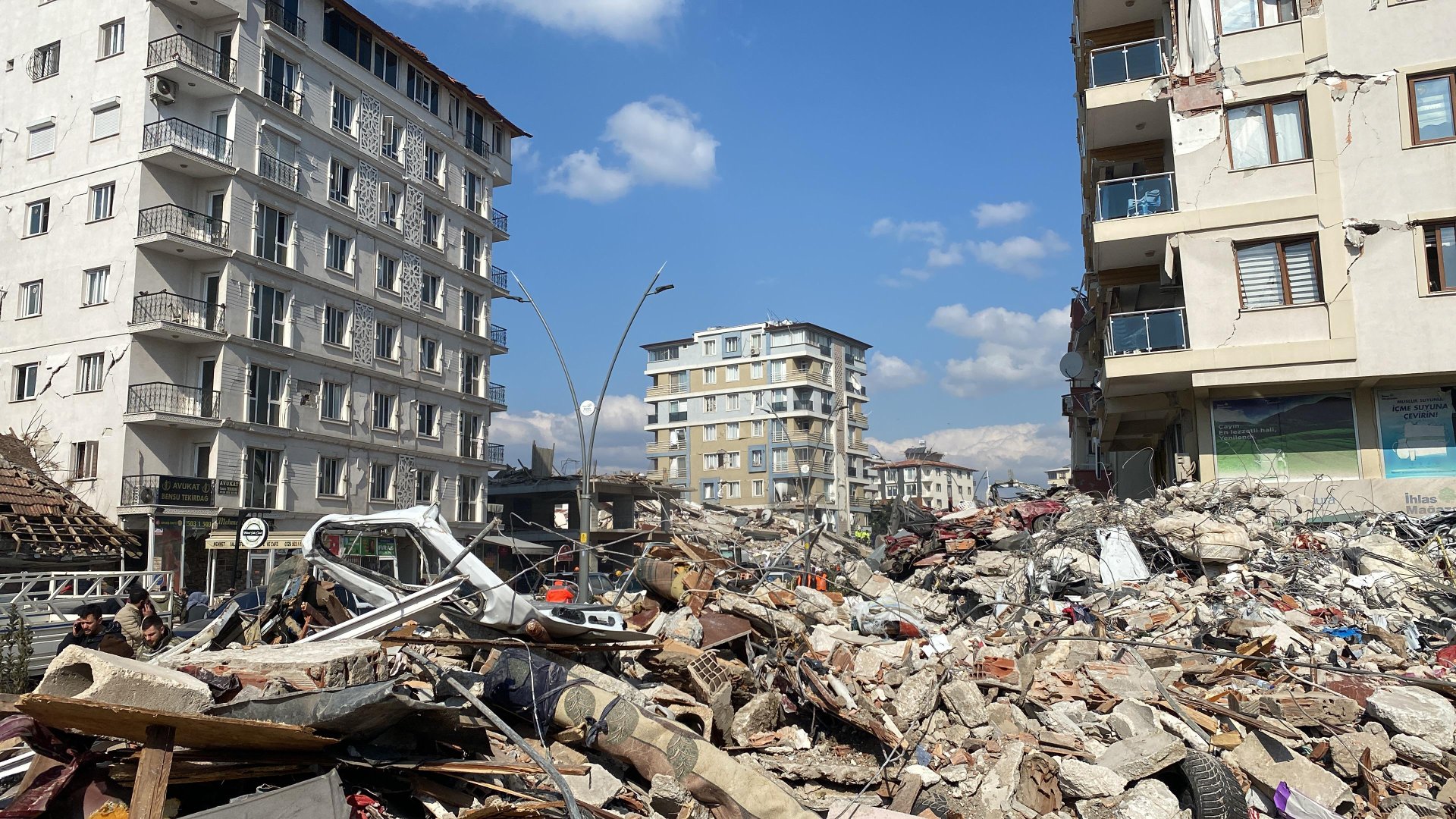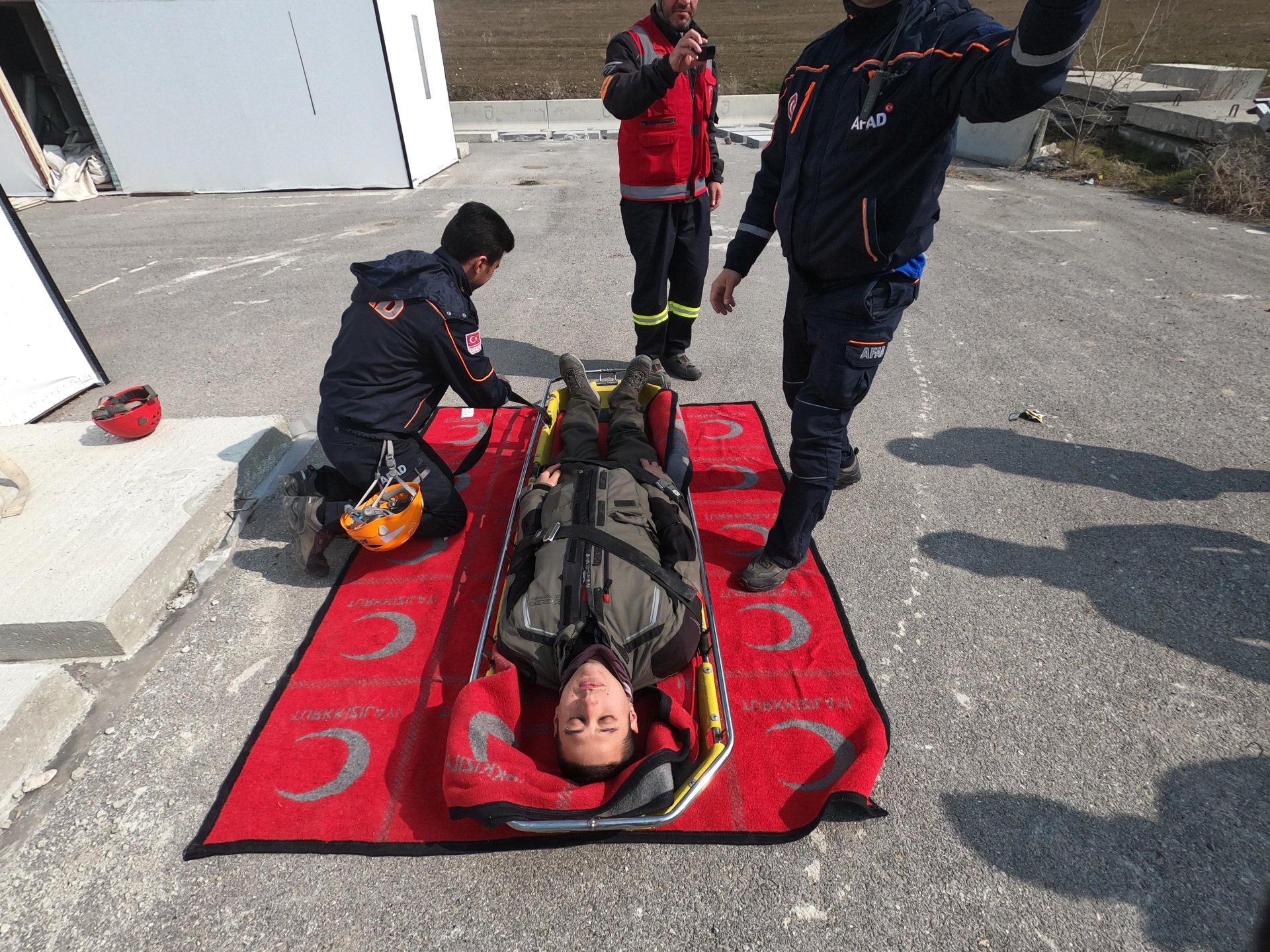
As Turkey is located in one of the most active earthquake zones in the world, disaster preparedness is vitaltherefore, the Disaster and Emergency Management Presidency (AFAD), which is affiliated to the Ministry of Interior of the Republic of Turkey,organizes trainings to raise awareness and prepare the public against various types of disasters. AFAD trainings,aims to enable both individuals and communities to become more resilient to disasters.
AFAD TrainingsObjectives
The trainings organized by AFAD mainly serve the following purposes:
Increasing Disaster Awareness:To raise public awareness about disasters such as earthquakes, floods, landslides.
Effective Response Competence in EmergenciesWinning: Teaching the knowledge and skills necessary for everyone to respond correctly in the event of a disaster.
DisasterEstablishing Management Plans: Ensuring that institutions and organizations are prepared for disasters, what to do in the event of a disasterto plan.
Community Supported Disaster Management: By increasing the culture of solidarity between people, the society acts togetherencourage them to do so.
Types of AFAD Trainings
AFAD organizes trainings at different levels on disaster preparedness.trainings cater to various groups and ensure that each individual is informed in accordance with his or her role:
1. AFADVolunteer Training
AFAD volunteers are trained individuals who can respond quickly in the event of a disaster.competency in critical issues such as trainings, basic disaster information of volunteers, first aid techniques, rescue and evacuation proceduresreceive these trainings in order to be an AFAD volunteer, as well as in the community on disastersis a big step to raise awareness.
2. Basic Disaster Awareness Training
This training is organized by AFADis one of the most basic trainings. It contains basic information to increase disaster awareness. Different disasters such as earthquakes, floods, avalanches, firesprovide information about their types and how to stay safe during them. Individuals of all ages receive this training, especially for school-age children.
3. Crisis and DisasterManagement Training
Crisis management training covers knowledge about post-disaster psychological support and management. This training is not onlyaims to produce solutions effectively not only during but also after the disaster. Such trainings, in particular disasteris given to professionals who provide services to provide psychological support after the surgery.
4. First Aid and Rescue Training
Earthquakeand injuries can be quite common in other disasters. For this reason, AFAD provides the necessary information to be able to make the first response in disastersand organizes trainings that gain skills. In addition, in relation to rescue and evacuation procedures, volunteers and authoritieshow to help quickly and safely.
5. Emergency Plan Preparation Training
Workplaces, schools,it is important to establish contingency plans for public institutions and large organizations to be implemented in the event of a disaster.trainings for the preparation of such plans. In these trainings, how the organizations will be organized during any disaster,which steps to take and which resources to use are taught.
6. Disaster Management Training andSimulations
AFAD also organizes post-disaster practical exercises and simulations. These simulations are a realensures that individuals and institutions are prepared to enact the disaster scenario and respond appropriately. Such drills can be used toplays a major role in understanding their real impact and the challenges that may arise.
Contributions of AFAD Trainings
Society'sIncreases Resilience: Trainings contribute to the upbringing of more conscious and prepared individuals in earthquakes and other disasters.increases overall disaster resilience.
Accelerates Post-Disaster Response: During a disaster, locally informed peopleintervention is vital until professional help arrives. AFAD trainings ensure that such interventionscontributes to acceleration.
Strengthens Social Solidarity: Neighborhood relations and social solidarity in times of disasterbecomes very important. AFAD trainings help to create this awareness in the society.
Professionalism in Emergency ManagementGains: AFAD is equipped to enable professional rescue teams and other relevant persons to be more effective in disaster managementtrainings enable these teams to perform their tasks more efficiently.
Where to Attend AFAD TrainingsYou can join?
Those who want to participate in AFAD trainings can apply through AFAD's official website.Seminars, symposiums and conferences organized by AFAD are also frequently announced. In particular, local municipalities and civiliansaFAD trainings are organized at many points throughout the country thanks to collaborations with community organizations.